



About Us
We Strive To Lead The Way In The Solar Energy Industry
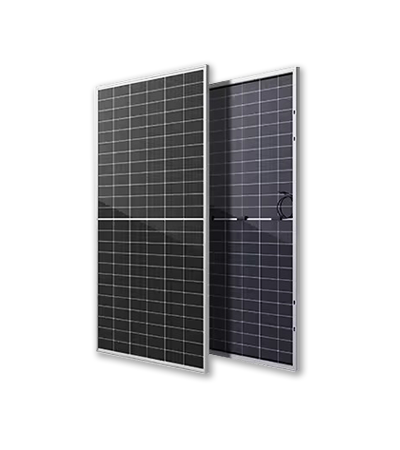
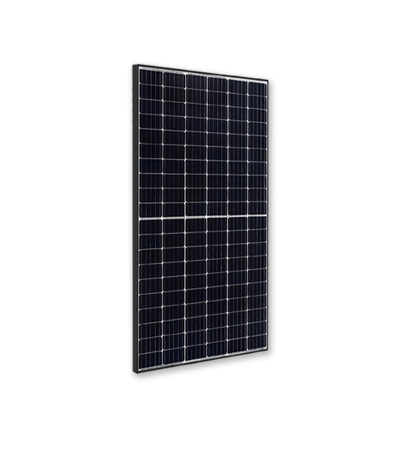
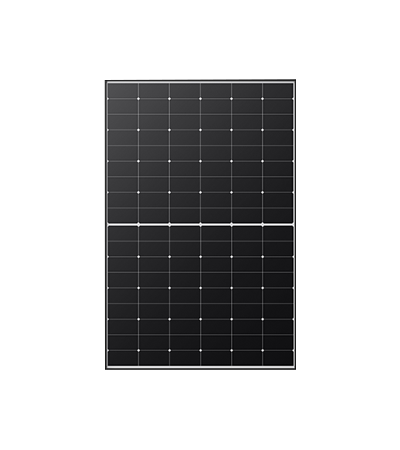
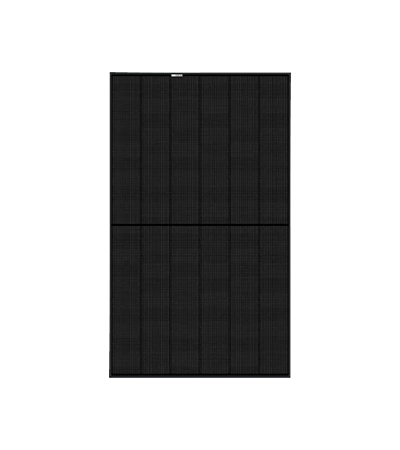
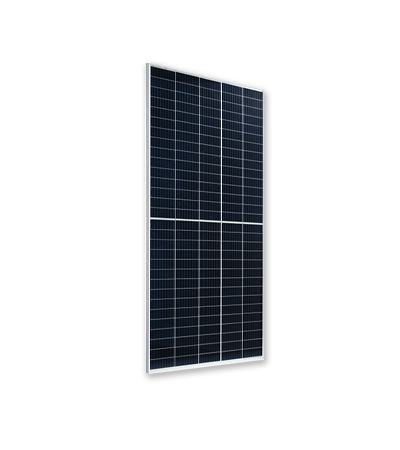
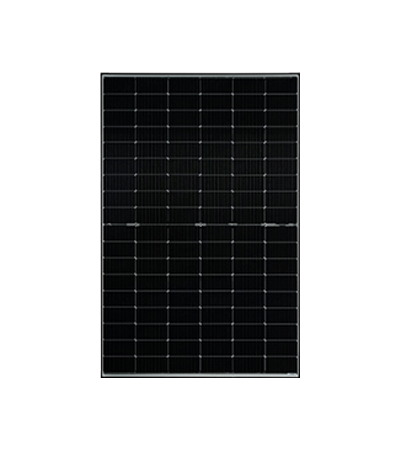
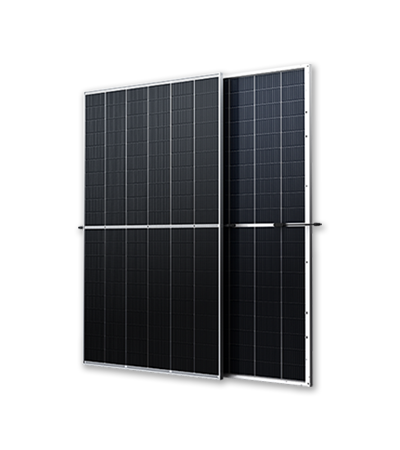
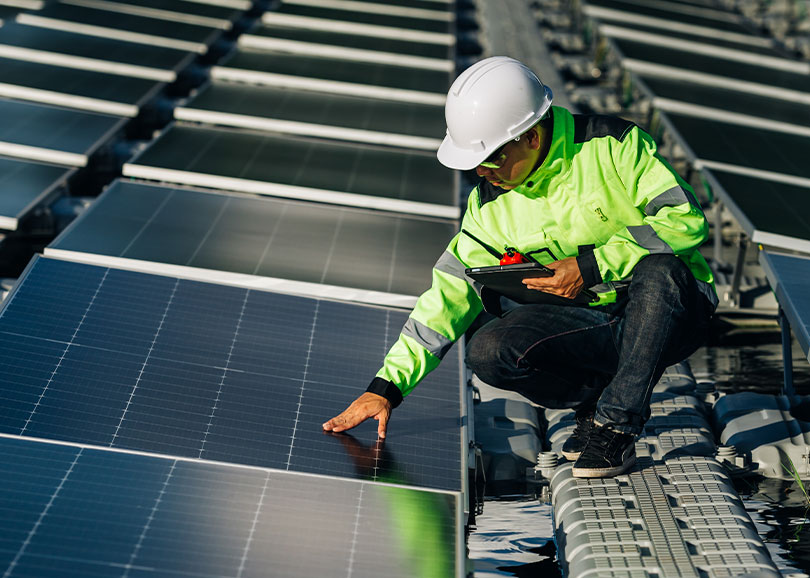
Solar panels with PV cells convert sunlight directly into electricity. PV panels are often installed on rooftops, in solar farms, and even in smaller portable chargers. When sunlight hits the cells.
- Clean and Renewable
- Energy Independence
- Low Maintenance
- Solar Scalability
Testimonials
What our clients say about our Solar services?
Request A Quote
Talk About How We Can Help You Reduce Your Energy Bill
What Our Customers Say

Our Services
Personalized Solar Solutions for Your Needs
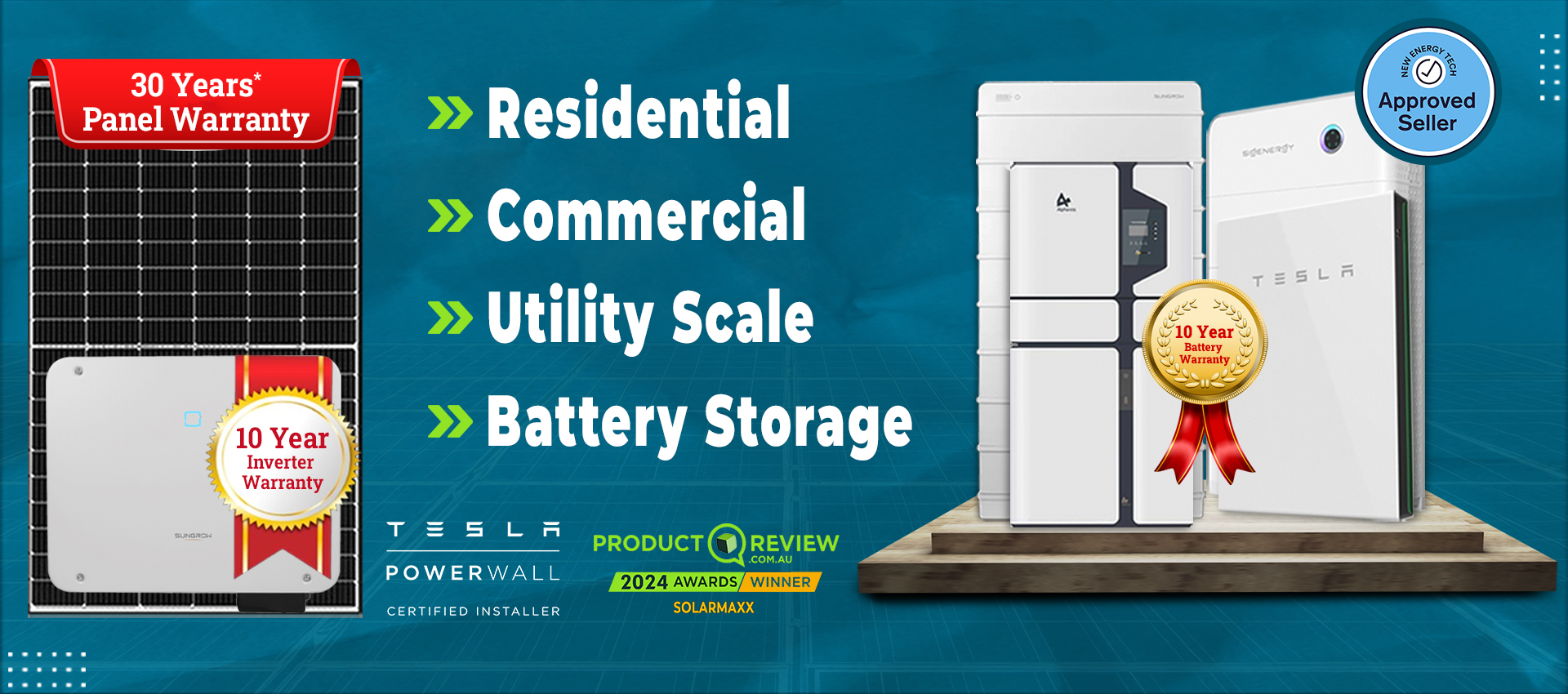
Residential Installation
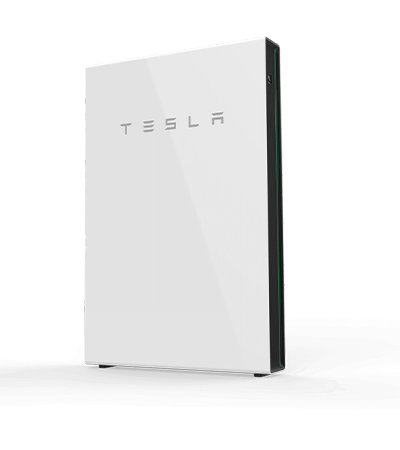
Solar PV & Battery Storage
Commercial Installation
Solar PV & Battery Storage
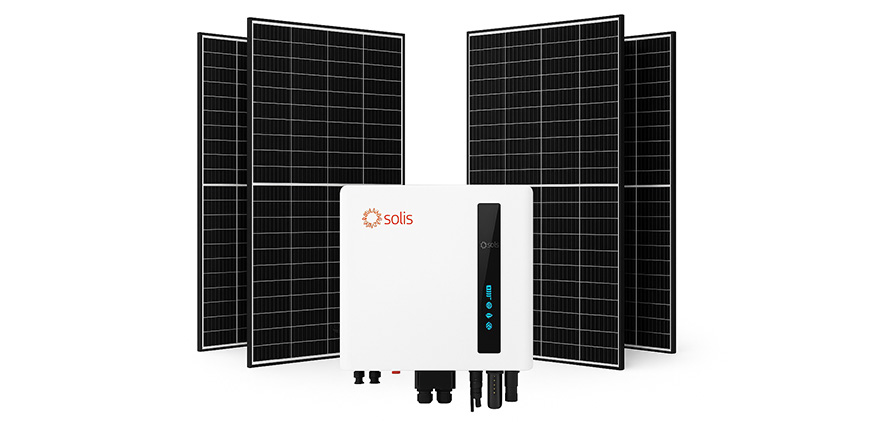
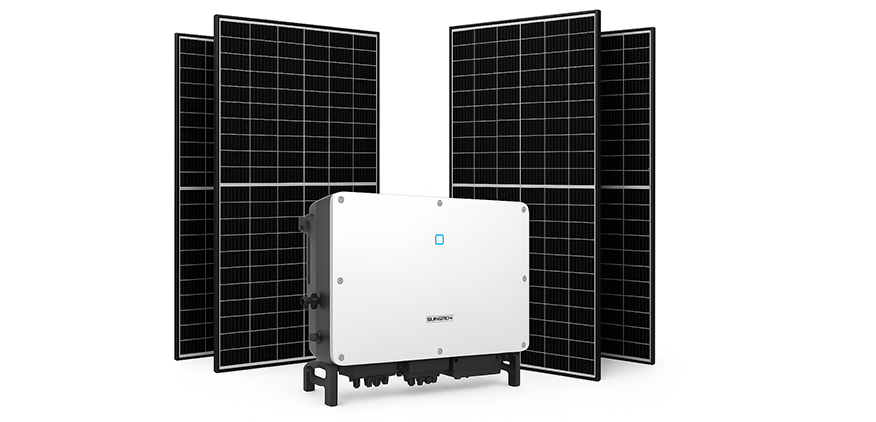
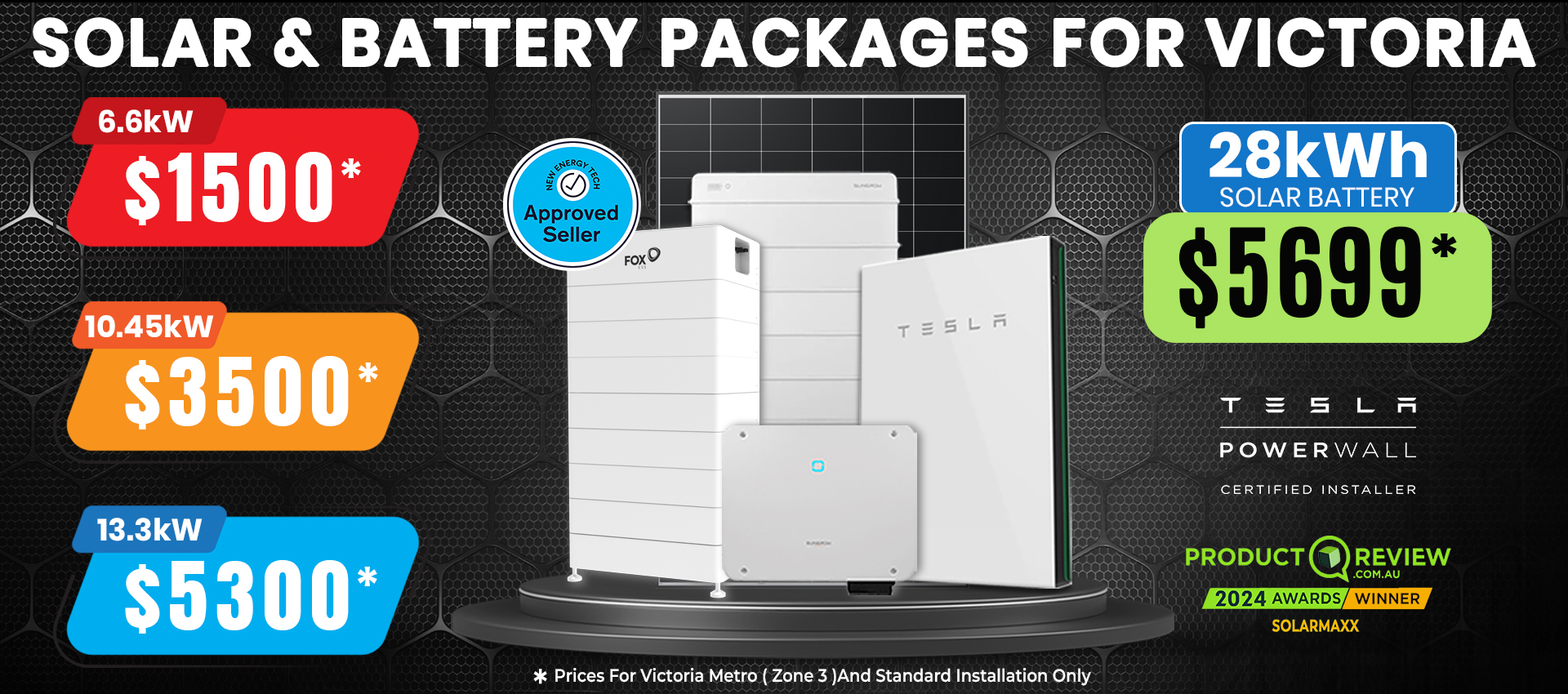
6.6kW
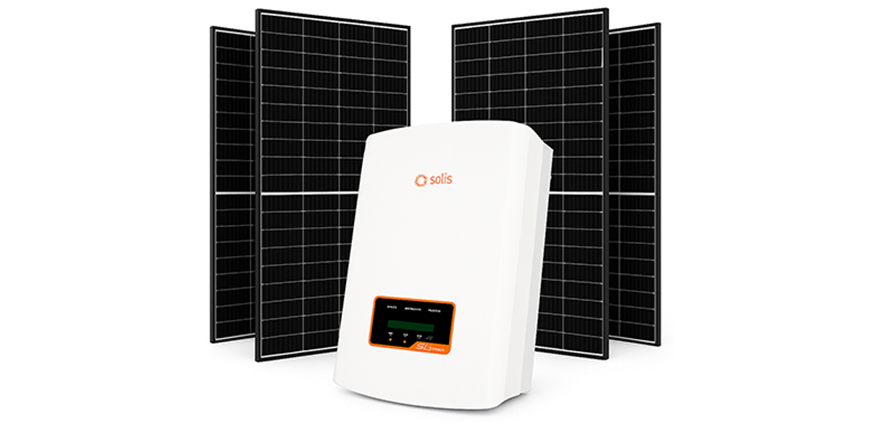
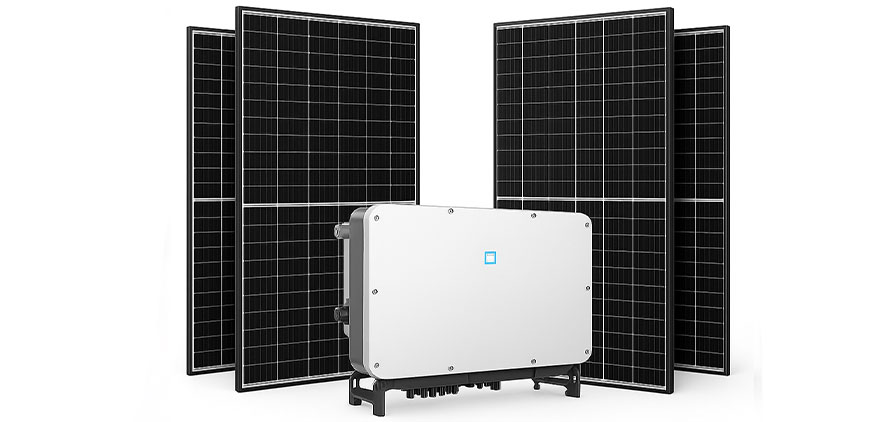
10.12kW
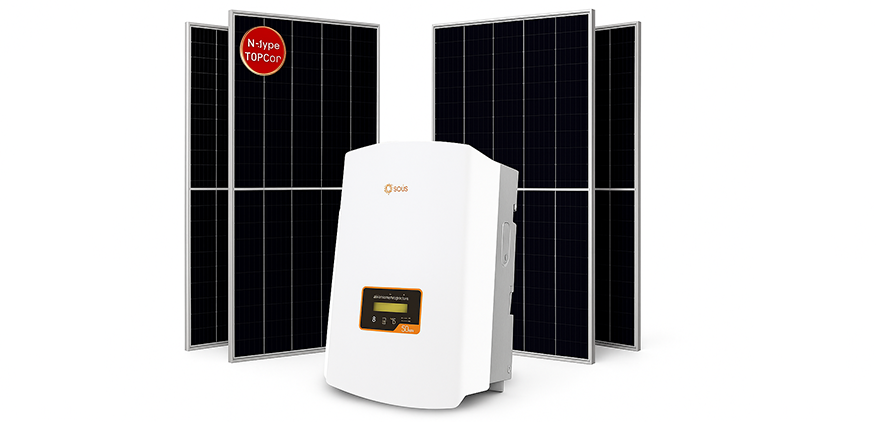
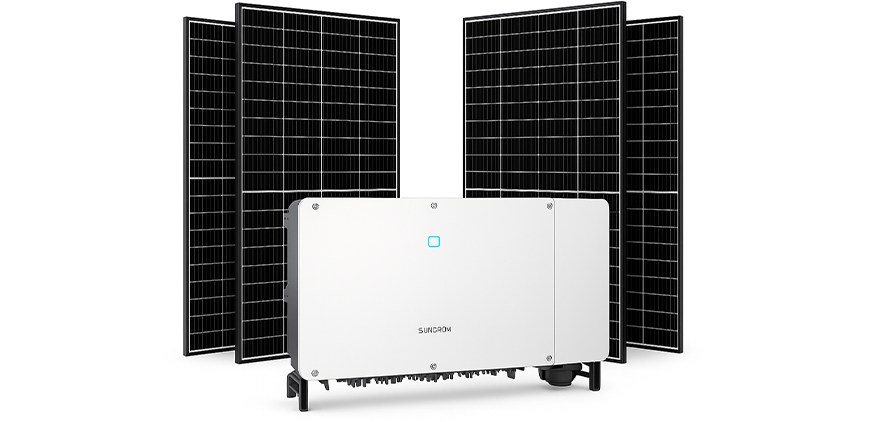
13.2kW
6.6kW residential system

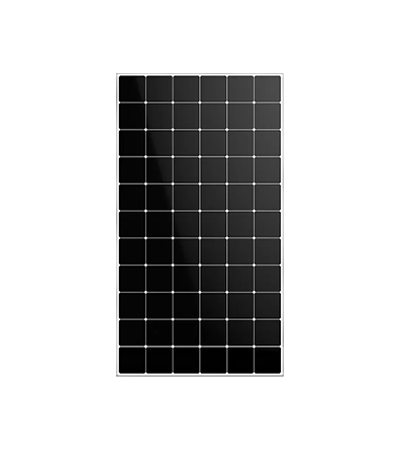
- 15 x 440W
- 6,600W
- Tier 1 Solar Panels

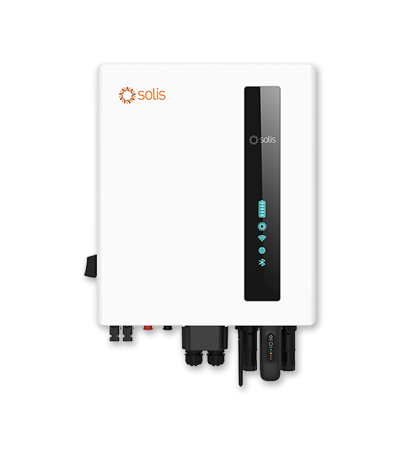
- 5kW Single Phase
- Smart
- Wifi Inverter
Why Choose Us
Shine Bright with Solarmaxx
We offer flexible financing options and guidance on government incentives and tax credits. Our team helps make solar energy affordable for everyone, ensuring you get the best value and maximize your investment in clean energy.
- Professional Solar Expert
- Excellent Customer Support
- Customer-first focus
- Proven excellence
- SAA-accredited & qualified
- On-time, on-budget delivery
Our Working
Process
How We Work Process In Solar Energy
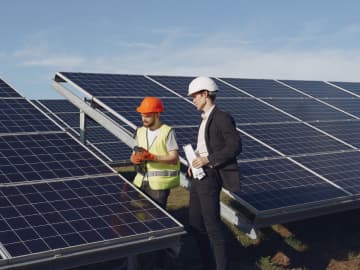
Consultation & Site Assessment
We begin with an in-depth consultation to understand your energy needs and goals. Our team then conducts.
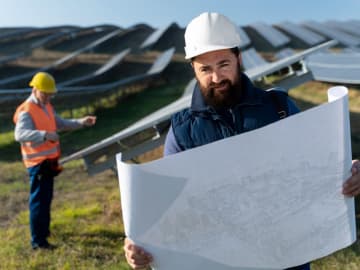
Custom System Design & Planning
Custom system design and planning typically involves creating tailored solutions to meet specific needs
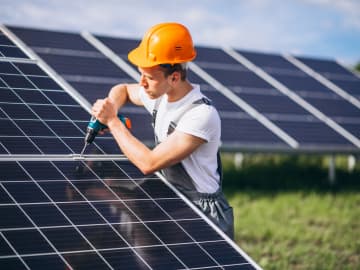
Professional Solar Installation
Assess roof space, tilt, and orientation (for rooftop installations). Evaluate ground space and shading
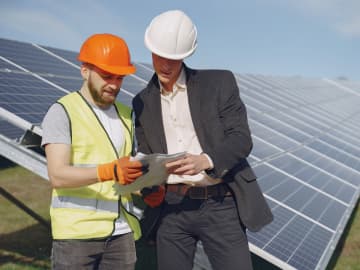
Monitoring & Ongoing Support
Effective monitoring and ongoing support are critical for ensuring a solar energy systems optimal
FAQ’S
Have Any Questions?
Yes, solar panels can provide significant long-term savings on electricity bills, depending on factors like location, system size, and local incentives.
Net metering allows solar panel owners to sell excess electricity generated back to the grid, offsetting their electricity costs.
Solar panels require sunlight to generate electricity, so they do not produce power at night. However, battery storage systems can store excess energy for nighttime use.
Solar panels generally require minimal maintenance, such as occasional cleaning and inspection to ensure optimal performance on long term bases.
To know if your home is suitable for solar panels, check if your roof gets plenty of direct sunlight (ideally North -facing in the Southern hemisphere), has minimal shading, and is in good condition with enough space.
On cloudy days or during winter, solar panels produce less electricity due to reduced sunlight, but they still generate some power. Most systems stay connected to the grid, so you can draw power when production is low and send excess back when it's high.
Solar panels typically last 25–30 years or more. Maintenance is minimal—mostly occasional cleaning to remove dirt or debris and annual inspections to ensure everything’s working properly. Inverters may need replacement after 10–15 years.
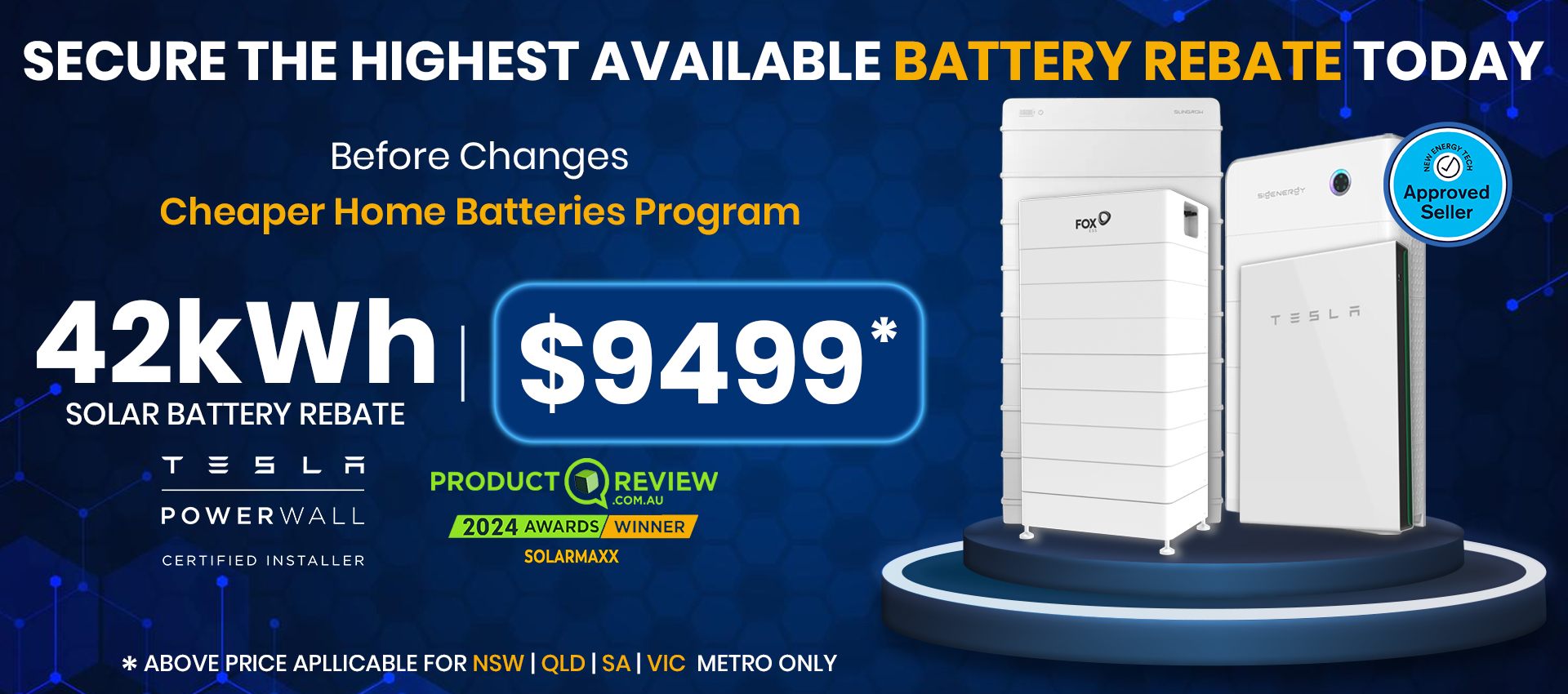
Yes, in Australia you can get federal rebates (STCs) to lower upfront solar panel installation costs and a state rebate for adding battery storage. New incentives started in late 2024 to boost savings further.
Solar can save you 50–80% on your electricity bills, depending on your system size, energy usage, feed-in tariff, and sunlight exposure. In Australia, most homes save around $800–$2,000 per year.
In Australia, the average payback time for a residential solar system is around 4 to 6 years, depending on system cost, size, energy usage, and local feed-in tariffs. After that, the savings are essentially profit for the rest of the system’s 25+ year life.
News & Blog
Our Latest News & Blogs
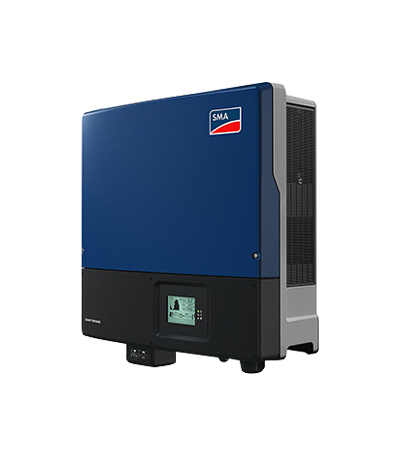
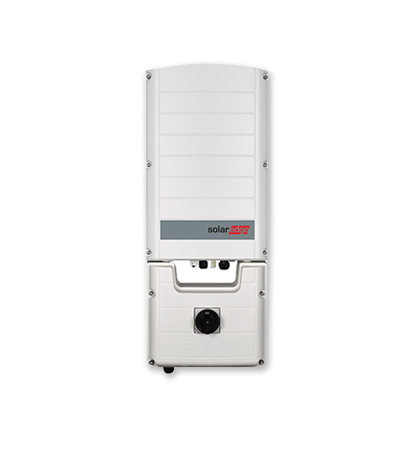
Brands We Carry